
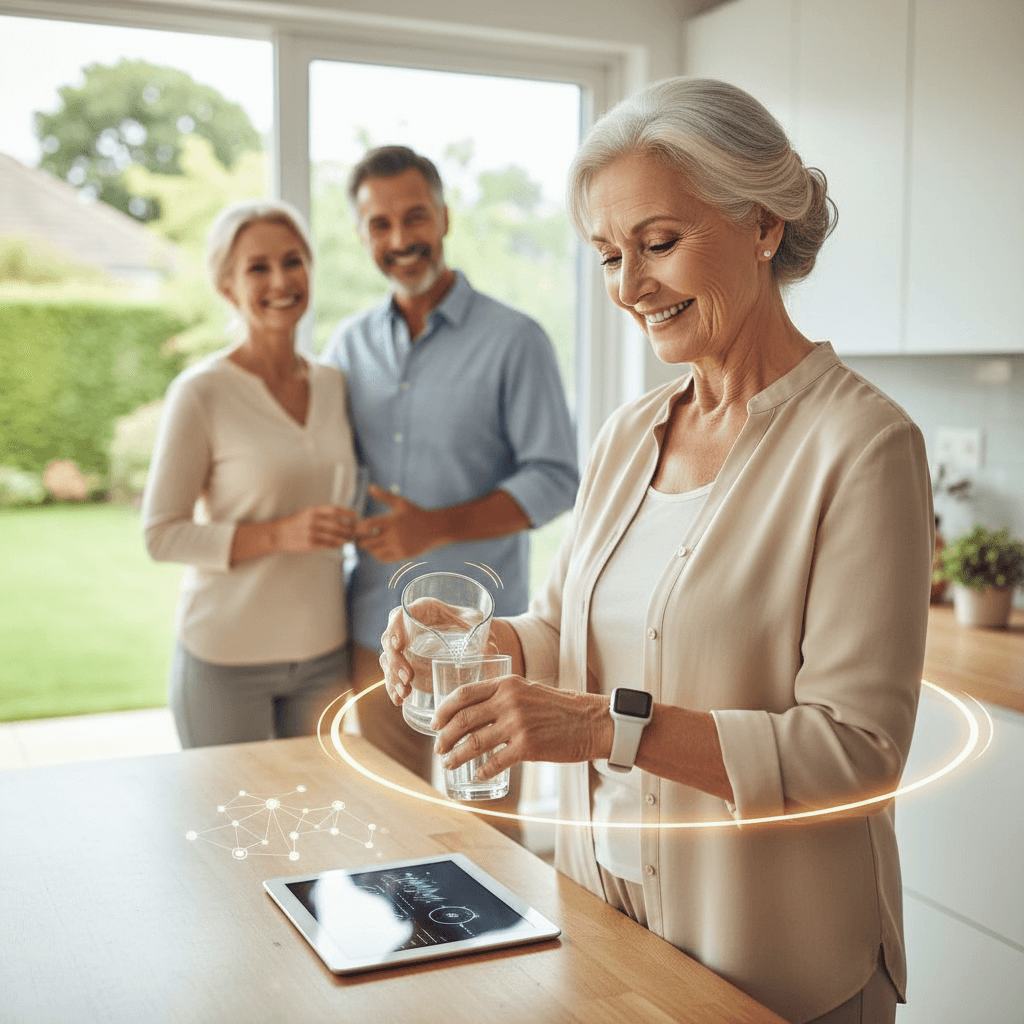
Maintaining independence is a top priority for many older adults and their families. A well chosen personal alert can make daily life safer without taking away freedom. This article walks through practical choices, common features, and real world examples so you can pick a system that fits routines and living situations.
We will cover device types, monitoring arrangements, cost considerations, and tips for introducing an alert to a loved one. Read on for clear, actionable steps and a link to a focused resource that compares options side by side.
Why a personal alert supports senior independence
Personal alerts are tools that connect an individual to help when an unexpected event occurs. For many people the primary benefit is the balance between staying active at home and having a reliable way to call for help. Data shows one in four adults aged 65 and older falls each year. For those living alone a fall can lead to hours or longer without assistance. A wearable alert or home unit reduces the time between an incident and contact with a responder.
Beyond fall response, alerts can reduce anxiety about routine outings and chores. When someone knows help is reachable with a single press, they are more likely to continue daily activities like shopping, gardening, or visiting friends. That practical reassurance often leads to healthier patterns and better social engagement.
Key features to look for in an alert device
Not all alerts are built the same. Look for features that match the final user’s lifestyle and physical needs. Below are essential categories to weigh when comparing devices.
Wearable form factors and comfort
Design matters. Some people prefer a wristband similar to a watch while others like a pendant worn around the neck. Comfort determines whether a device will be worn consistently. Consider water resistance if the wearer will use it in the shower or outside in wet weather. Try different models during a trial period to find a size and style that feels natural.
Detection types and manual activation
Two common activation methods are manual call buttons and automatic fall detection. Manual buttons require the user to press a button, which is simple and reliable when someone is conscious and able to reach the device. Automatic fall detection uses sensors to identify abrupt movements consistent with a fall and triggers a call when movement stops. Automatic detection is useful for those at higher risk of losing consciousness or falling unexpectedly, but it can produce false alerts during vigorous activity. Balance the likelihood of missed events against potential false alarms.
Connectivity options and coverage considerations
Alerts connect to help via several pathways. Choose the connectivity that suits the living environment and typical mobility of the user.
- Landline-based units use a home phone connection. They are inexpensive but limited to the house and require an active landline.
- Cellular units operate on mobile networks and offer in-home and away-from-home coverage depending on the plan. Check carrier signal strength in the home and neighborhood before choosing this option.
- GPS-enabled devices are designed for people who spend time outside the home. They provide location data to responders which is crucial during outings.
Ask about confirmed coverage maps during a trial or before purchase. If the senior lives in a rural area, confirm that responders can locate the device quickly by testing GPS performance in the areas they frequent.
How monitoring services work and responder types
Monitoring services vary in response speed, operator training, and who is contacted first. Common models include professional monitoring centers and family-notification setups. Each model has tradeoffs.
- Professional monitoring centers staff trained operators who assess the situation and dispatch emergency services or contact designated family members. These centers operate 24 7 and follow established protocols for verification and escalation.
- Direct-to-family options call or text preselected contacts first. This can be faster for some households but may delay professional help if family members are unavailable.
When evaluating services, ask how operators verify emergencies, what local emergency services are notified, and how language barriers or hearing impairments are handled. Confirm expected response times and whether stress tests or live demos are available during a trial.
Cost comparison, contracts and trial periods
Price varies widely across device types and monitoring plans. Typical cost components include the initial device fee, monthly monitoring charges, activation fees, and possible cancellation or shipping fees. Some companies bundle the device with monitoring while others sell devices at full price and offer lower monthly fees.
- Short term commitment plans are helpful when testing whether a product fits daily life.
- Look for trial periods and return policies that let you test functionality without a long contract.
- Ask about hidden costs such as fees for false alarms or charges when a device requires replacement.
If budget is a major constraint, compare core feature sets rather than brand names. For many users a basic system with reliable manual activation and good local coverage will provide the most value.
Real world examples and tips for caregivers
Concrete stories can illustrate how alerts work in daily life. One family placed a wearable unit on an older parent who lived alone. After a minor fall while gardening, the parent pressed the button and a monitoring operator reached them within minutes, confirming help was on the way. Because the parent had a GPS enabled unit, the operator relayed precise location to emergency services which reduced confusion about the address.
Another household chose a device without fall detection because false alerts had been a recurring issue for the user. They kept the unit on at all times and practiced button use during weekly check ins so the wearer felt comfortable operating the device.
- Tip keep the device charged and establish a daily routine for checking battery level.
- Tip pair the alert with a written emergency plan that lists allergies, medications, and preferred hospitals.
- Tip involve the senior in choosing the look and wearing method to improve acceptance.
How to introduce a personal alert to a loved one
Conversation style matters. Approach the topic as a way to support continued activity rather than a concession to frailty. Try framing the device as a tool that lets the person stay in control of their daily life. Offer a trial period and make sure training is calm and straightforward. Demonstrate a real call so the wearer understands what happens when an alert is triggered.
In families where a senior resists change, propose placing the device in a visible location first so they can try it without pressure. Share success stories and stress the device is a choice that people use to keep living life on their terms.
Choosing the right alert for daily routines
Match the device to daily patterns. For those who seldom leave home, a base station with a long range and a comfortable wearable may be enough. For active people who travel outside the home, ensure the plan includes mobile or GPS coverage. If nighttime falls are a concern, prioritize features that work while lying down and that alert during sleep hours.
Before committing, create a checklist that covers wearability, connectivity, monitoring style, costs, and trial length. Test multiple systems if possible and compare notes on response times and ease of use as experienced by the end user.
For a focused comparison of features and side by side evaluations of popular models visit this medical alert system guide which outlines pros and cons and includes questions to ask providers before purchase.
Conclusion
The right personal alert can play a central role in preserving an older adult’s freedom and daily rhythm. Choosing a system requires balancing comfort, coverage, monitoring style, and cost. Start by listing the activities and locations that matter most for the person who will wear the device. Verify cellular or GPS coverage if they leave the home often and try units during a trial period to be sure the form factor fits. Include family or caregivers in training sessions so everyone knows how the response process works. Practical steps like keeping batteries charged, rehearsing a call, and placing a short emergency information card near the main phone number will speed response when seconds count.
When you are ready to select a unit, prioritize a device that the user will actually wear and use. Small comfort choices often make the largest difference in real world use. Take advantage of free trials, ask providers about local responder procedures, and compare total costs over a full year rather than focusing only on an initial price. If you have questions or want a checklist you can use during provider calls, print the comparison points from this article and review them together. Choosing and setting up a personal alert is a practical step you can take right now to preserve activity, reduce worry, and keep lines of help open. Reach out to providers for a demonstration and try a short trial so you can see how a device fits into everyday life.