
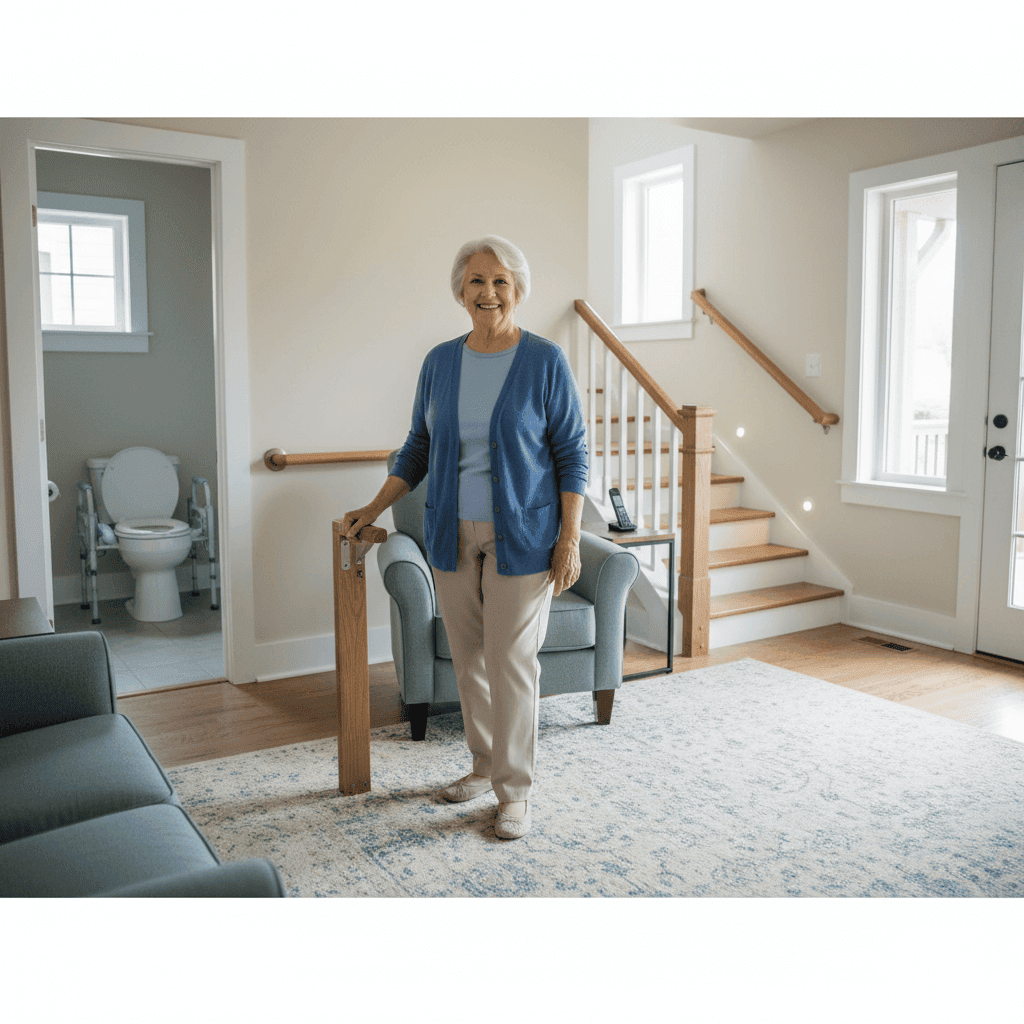
Keeping a home safe for older adults is a practical goal that pays off in daily comfort and reduced risk of injury. Small, focused changes to the living environment and daily routines can prevent falls, reduce medication errors, and slow the need for urgent care visits. This article outlines effective strategies that family members and caregivers can apply right away to make a home safer for an older person.
These suggestions combine simple fixes, useful gadgets, and community based resources. They are intended to be realistic for different budgets and living situations. Read through the sections below and pick the steps that match the needs of the person you are helping.
Identify common hazards around the house
A first step is a room by room review of risks. Falls are the top cause of injury for older adults so pay special attention to trip hazards on walking routes. Loose rugs, electrical cords crossing floors, and clutter in hallways are frequent problems. Lighting that is dim or uneven creates shadows and depth perception errors that lead to missteps.
Other areas to check include bathrooms where wet surfaces and high tub edges cause slips, kitchens where items on high shelves or heavy pots lead to overreaching, and stairways that lack secure handrails. A quick checklist helps members of a household work through problems in manageable pieces.
Low cost home modifications that cut fall risk
Not all safety work requires a major renovation. Affordable changes can have an immediate effect on daily safety.
- Replace loose rugs with no slip backing or remove rugs entirely from main walking paths
- Add night lights in hallways and bathrooms to reduce the risk of falls at night
- Install grab bars in showers and near toilets that are anchored into studs where possible
- Use non slip strips on bathtub steps and shower floors
- Move frequently used items to lower shelves to avoid stretching or using step stools
- Secure extension cords along walls or use surge protected power strips to keep cords out of walking paths
These adjustments are quick to implement and often cost under a few hundred dollars. In many communities local volunteer groups or senior centers offer help with simple home repairs for low income households.
Smart technology choices that promote independence
Technology can help monitor wellbeing and improve access to help when needed. Choose devices that are simple to use and have clear alerts.
- Personal emergency response systems with a wearable button that calls for help when pressed
- Smart lights that turn on with motion to light a path without fumbling for switches
- Voice enabled devices for quick calls and reminders if the person can use voice commands
- Medication reminder apps or electronic pill dispensers that lock and release doses at set times
Selecting devices that match needs
Test a device before buying if possible. Look for large buttons, clear audio alerts, and minimal setup steps. Battery life and fall detection features matter if the person spends time alone. A device that is overly complex will sit unused so pick technology that fits the user rather than the latest model.
Privacy and data considerations
When adding monitoring devices make sure family members discuss data sharing settings. Some tools send location and activity data to cloud accounts. Agree on who has access and how alerts will be handled so the system supports safety without causing friction.
Medication management that reduces errors
Medication mix ups are common as pill schedules grow more complex. A single missed dose or doubling up on a drug can lead to serious consequences. Organize medications to reduce errors.
- Use a weekly pill organizer filled at the same time each week to reduce confusion
- Keep a current medication list with doses, times, and prescriber names in a visible location
- Bring all medications and supplements to pharmacy or doctor visits for reconciliation
- Set reminders with a simple alarm clock or phone alert if the person can hear or see them
Work with pharmacists and clinicians
Ask a pharmacist to review prescriptions for interactions and duplicates. Many pharmacies will provide blister packing or pre sorted doses for a small fee. If memory problems are present consider a regular check in with the primary care clinician to review changes and side effects.
Nutrition, strength and balance programs to lower risk
Physical strength and balance are major factors in fall risk. Programs that include strength training and balance practice reduce falls in older adults according to research. Encourage activity that matches ability.
- Chair based strength routines for those with limited mobility
- Tai Chi classes that focus on balance and slower controlled movements
- Walking routines with a partner or group for regular aerobic activity and social contact
- Home exercises demonstrated by a physical therapist for targeted weakness
Proper nutrition and hydration support energy and muscle function. Make sure protein, vegetables, and fluids appear regularly. If appetite is poor speak with a clinician about supplements or meal delivery services in the area.
Social and community resources that support safe living
Living safely is not only about physical barriers. Social connections and community services can prevent isolation and help with daily needs. Meal delivery, transportation programs, and friendly visitor services keep older adults connected and supported. Local senior centers often have exercise classes, health workshops, and volunteer repair teams that can help with small home fixes.
For a practical list of actions and links to community resources consider this guide to senior home safety and ways local partners can support older adults in remaining independent senior home safety tips. That resource contains examples of local programs, checklists, and contacts that families can call to get help quickly.
Creating a personalized safety plan
A safety plan puts items on a timeline and assigns responsibilities. Start with urgent hazards like loose railings or broken stair treads. Next add medium term tasks such as installing grab bars or improving lighting. Finally include ongoing items such as medication review and physical activity schedules.
- Make a goal list with target dates and a name for who will complete each task
- Include contact numbers for clinicians, a preferred pharmacy, and a trusted neighbor
- Plan a check in routine for family members or a caregiver to monitor progress
Practical tips for families
Hold a short meeting with the household to assign who will buy items, who will make calls to services, and who will follow up. If the older person is able involve them in each decision so preferences are respected. Use simple tools such as a shared calendar or a written notebook in the kitchen that lists scheduled maintenance and appointments.
Adapting as needs change
Revisit the plan every three to six months or sooner after a fall or new diagnosis. Needs can change over time and periodic review keeps small problems from growing into crises. When a task appears repeatedly on the to do list consider hiring a local professional for a more permanent fix.
Emergency readiness and communication
Preparing in advance for emergencies reduces panic and speeds help. Create a short emergency kit with medications, a list of allergies, a copy of important health documents, and contact numbers. Place the kit in a spot that is easy to reach and tell family members where it is kept.
- Post an emergency contact list by the phone or on the refrigerator
- Make sure smoke alarms and carbon monoxide detectors are tested monthly
- Have a plan for power outages if medical devices require electricity
- Teach neighbors how to respond if they see a problem or if the person fails to show up for a scheduled check in
Clear labeling of medications and instructions for first responders helps when time matters. Consider a visible medical alert decal or a card in a purse or wallet for quick access to critical details.
Conclusion paragraph must be at least one hundred fifty words long and call the reader to action.
Conclusion
Keeping a home safe for an older adult is an ongoing journey that pays off in better daily living and fewer crises. The practical steps above cover the most common areas of risk including falls, medication errors, and loss of social connection. Start with easy wins such as removing trip hazards and improving lighting. Add low cost supports such as grab bars and night lights and test simple technology that can call for help if needed. Work with pharmacists and clinicians to get medication lists in order and consider community services that bring meals or help with home repairs.
Make a personalized plan and assign clear roles so progress continues. Check the plan every few months and after any health change. Small actions taken today reduce the chance of injuries and emergency visits tomorrow. If you live with or care for an older person pick one item from this list and complete it within the next week. Reach out to a local senior center, trusted clinician, or neighbor and share this checklist so safety improvements spread across your community. Taking the first step now turns concern into practical results and keeps older adults living with greater confidence and comfort.